HOME VISITS • ONLINE • GROUP WORK
COFFS HARBOUR ART THERAPY & COUNSELLING

Rebecca Lloyd
Expressive Arts Therapist + Counsellor


SUPPORTING NEURODIVERGENT INDIVIDUALS

Exploring self-identity, strengths, and goals

Sensory toolbox with strategies for self-regulation
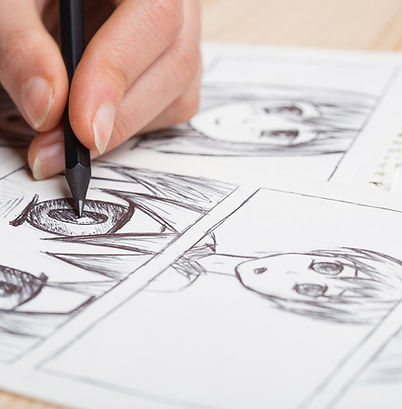
Exploring social stories and personal narrative using a client's special interest in anime

Exploring friendships and communication
Benefits of Arts Therapy: Neurodivergent individuals.
Are you or someone you care for struggling with challenges associated with Autism, ADHD or other Neurodivergent presentations?
Many neurodivergent individuals struggle with anxiety, depression, overwhelm, burnout, school refusal, relationship toubles, social skills, self-identity issues, resilience and self-confidence. Arts Therapy can offer significant benefits for neurodivergent people by providing a creative, flexible, strengths-based and neurodiversity-affirming approach to wellbeing, communication and self-expression. Through creative modalities such as visual arts, clay work, movie making, photography, movement, music, drama, story telling, sand play and sensory-based activities, Arts Therapy can provide alternative ways to explore experiences that may be difficult to communicate through words alone.
When tailored to an individual's interests, sensory preferences, communication style and support needs, Arts Therapy can promote emotional regulation, self-awareness, confidence, agency and meaningful participation in everyday life.
Arts therapy can:
-
Support communication and self-expression: Provides non-verbal and creative ways to express thoughts, feelings and experiences.
-
Promote emotional regulation: Creative and sensory processes can support calming, grounding and the recognition and expression of emotions.
-
Build self-awareness: Encourages greater understanding of emotions, sensory needs, strengths, preferences and personal identity.
-
Affirm neurodivergent identity: Can provide a strengths-based space that values individual differences rather than focusing solely on deficits or “fixing” behaviours.
-
Enhance confidence and agency: Supports choice-making, autonomy, mastery and a sense of achievement through meaningful creative experiences.
-
Develop social connection: Individual or group Arts Therapy can foster communication, shared experiences, collaboration and a sense of belonging.
-
Support sensory and embodied processing: Offers opportunities to engage with a range of materials and modalities in ways that can support sensory exploration and regulation.
-
Can be highly individualised: Sessions can be adapted to a person's special interests, communication style, cognitive profile, sensory preferences and NDIS goals.
-
Encourage participation and wellbeing: May support people to engage more confidently and meaningfully in relationships, community life and everyday activities.